
Call or text
(316) 775-7867
(620) 221-2847
(913) 222-2847
.png)

Keep Your Trees Clear of Webworm Nests
Webworm Control in Wichita & Kansas City for Healthy, Good-Looking Trees
Fall webworms show up in Kansas from midsummer into October. You will see big, messy silk nests at the ends of tree branches. Inside, hundreds of small caterpillars feed on the leaves.
They love walnut, pecan, mulberry, cottonwood, and many other shade and fruit trees. A healthy tree usually bounces back. But the nests are ugly, and they can strip leaves from whole branches.
Eastern tent caterpillars are a close cousin. They build nests in the forks of branches in spring, mostly on cherry and crabapple trees. Different bug, similar fix.
At Bug Shockers, we look at your trees first. Then we tell you honestly what is worth doing. Sometimes the answer is just prune it out. Sometimes it is a targeted treatment.

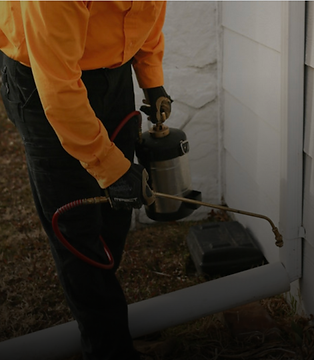
Trusted Wichita & Kansas City Webworm Control for Better-Looking Trees
Protect Your Trees from Webworm Damage
The best time to act is when nests are small. Young caterpillars stay inside the web and are easier to reach.
For small nests on low branches, pruning them out and bagging them works well. Do not burn nests on a tree. It can hurt the tree.
For bigger nests or tall trees, we use a targeted treatment on the foliage the caterpillars feed on. We choose the product based on the tree, the time of year, and what is around it.
Late in the season, treatment helps less. The leaves are about to drop anyway. In that case we focus on a plan for next year.
We do not promise a tree will never see webworms again. They come from the neighborhood. What we can do is catch problems early and keep them small. Want us to take a look? Call or text anytime.
Seeing small hanging bags on evergreens instead? Read about bagworm control.

Wichita & Kansas City Residential Pest Control Services
Protecting Your Home, One Pest at a Time


.png)


Webworm Control and Tree Pest Help in Wichita & Kansas City
Catch Webworm Nests Early
Webworm nests can look alarming. Most of the time they are more of an eyesore than a threat. Still, a tree that gets hit year after year can lose a lot of leaves. A quick look from a local pro helps you decide what to do.
