Call or text
(316) 775-7867
(620) 221-2847
(913) 222-2847
.png)

Common Termite Attractants in Kansas Homes
Understanding what draws termites to your property is the first step in structural protection. From the moisture-rich soil of Sedgwick County to the established neighborhoods of Overland Park, certain environmental factors act as a "welcome sign" for wood-destroying insects.


Outdoor Wood Piles:
Firewood and scrap lumber are primary food sources. While keeping wood near the home is convenient, it creates a direct bridge for colonies. The Fix: Store firewood at least 20 feet away from your foundation and elevated off the ground to break soil-to-wood contact.
Tree Stumps:
Decaying stumps provide the perfect moist environment for subterranean termites to establish a satellite colony. As the wood rots, it becomes softer and easier to consume. The Fix: Remove old stumps and surface roots promptly to eliminate nesting sites near your home or business.
Mulch:
Wood-based mulch retains the moisture that termites require to survive and provides a layer of insulation against temperature changes. The Fix: Maintain a 6-inch "no-mulch" zone around your foundation or use inorganic materials like gravel or rubber mulch in flower beds touching the structure.
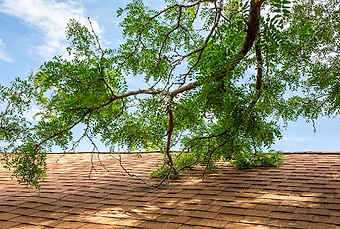
Roof & Gutter Issues:
Clogged gutters and low-hanging branches create moisture traps and physical bridges to your roofline. Termites can enter through fascia boards or moisture-damaged shingles. The Fix: Keep gutters clear and trim trees so branches are at least 5–10 feet away from the roof.
Basements & Crawl Spaces:
Unfinished basements and crawl spaces in Kansas City and Wichita often harbor hidden moisture. Exposed wooden joists in these dark, damp areas are prime targets for infestation. The Fix: Ensure proper ventilation and use vapor barriers to reduce the humidity that attracts structural pests.
How to Identify Termite Activity in Kansas & Missouri Homes
Termite Swarmers:
Termite Swarmers (Alates): These winged reproductives are often the first visible sign of an infestation. In the Greater Wichita area and Kansas City metro, spring temperatures reaching 70°F typically trigger swarming events. While they are frequently mistaken for flying ants, swarmers have straight antennae and equal-length wings. Finding them indoors almost always indicates an active colony within the structure's foundation.
Wings:
Discarded Wings: After finding a mate, swarmers shed their wings near entry points like windowsills, porches, or vents. Unlike ants, which keep their wings, termites leave behind piles of translucent, identical wings. If you find these in your Overland Park or Derby home, it is a clear signal that a colony has recently established itself nearby.
Mud Tubes:
These are the most recognizable sign of subterranean termite activity. Built from soil and saliva, these straw-shaped tubes allow workers to travel between their colony and your home while maintaining critical moisture levels. If you find these along your foundation in Wichita or Overland Park, it indicates a direct highway into your structure.
Termite Castles:
Often found near the time a colony releases swarmers, these clusters of thicker mud tubes indicate a heavily established infestation. Whether they are against a basement wall or suspended in a crawl space, these structures require immediate professional evaluation to determine the extent of the colony.
Frass:
Drywood termites leave behind small, wood-colored hexagonal pellets known as frass. Often mistaken for sawdust or sand, these piles typically appear near baseboards or windowsills. Finding these pellets in your Kansas City or Wichita home is a primary indicator that termites are actively consuming the wood directly above that spot.
Structural Damage:
Termite damage often mimics wood rot or water damage, but the presence of mud within the wood grain is a definitive sign of subterranean activity. If wood sounds hollow when tapped or if your drywall appears blistered, the colony may have already compromised the structural integrity of the area. Our specialists across Wichita and the KC Metro use professional detection tools to find this hidden damage before it leads to a total structural failure.


Proven Strategies to Get Rid of and Prevent Termites
To effectively eliminate a colony and prevent future infestations, we utilize a combination of liquid barriers and specialized wood treatments. Our goal is to create an impenetrable zone around your home or business in Wichita and the Kansas City metro.
-
Soil & Barrier Treatments: We apply professional-grade termiticide to the soil around your foundation. This creates a continuous chemical shield that stops termites from tunneling toward your structure.
-
Wood Preservation: Using Borate treatments, we infuse active ingredients directly into the wood. This not only preserves the timber but acts as a permanent deterrent for any wood-destroying organisms.
-
Moisture Management: Termites thrive in damp environments. We recommend diverting rainwater away from the foundation and ensuring crawl spaces are well-ventilated to reduce attractants.
-
Strategic Exclusion: Our team identifies and seals structural cracks or crevices in the foundation, removing the "path of least resistance" for foraging workers.
Whether you are in Overland Park, Olathe, or Derby, a proactive defense is significantly more cost-effective than reactive structural repairs. By removing dead stumps and maintaining a clear perimeter, you significantly decrease the risk of a "silent destroyer" taking hold.
Lear more on our Kansas Termite Control Guide
Get in Touch with Us
Questions or ready to schedule? Our family-owned team is standing by to help you get back to living worry-free. From Sedgwick County to Johnson County, we provide the expert care you deserve with no contracts required.
5.0 stars · 350+ reviews
3x Best of Wichita Gold Winner
No Contracts required
Family-owned & operated since 2011
Prefer to call or text?
Wichita area: (316) 775-7867 or Overland Park and the KC Metro: (913) 222-2847