
Rodent Control: Why Mice Keep Coming Back (And What Actually Helps)

Updated: Oct 30
Rodents are one of the most common pest problems for Kansas homeowners. Many families are surprised when mice or rats return, even after traps are set or repellents are used.
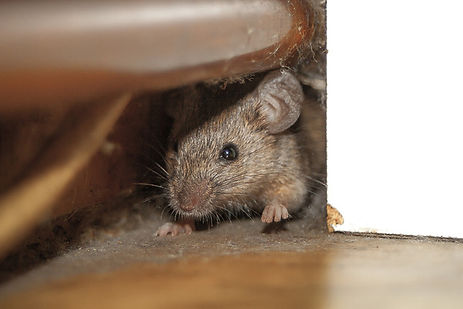
If rodents keep coming back, it usually means the root cause hasn’t been fully addressed. Understanding why this happens is the key to protecting your home long-term.
This article is a follow-up to our previous post on rodent prevention and explores why infestations return, and what actually helps.
Why You Need Professional Rodent Control After Treatment

Rodents are motivated by three basic needs: food, shelter, and warmth. If your home continues to provide these, mice and rats will keep trying to get inside.
Common reasons rodents return include:
Unsealed entry points
Accessible food sources
Nesting areas in attics or walls
Neighboring infestations
Seasonal weather changes
Without proper exclusion and prevention, rodents simply find new ways inside.
If you’re dealing with repeat activity, professional solutions like our Wichita rodent control services can help address the root causes, not just the symptoms:https://www.bugshockers.com/wichita-residential-pest-control/wichita-rodent-pest-control
Hidden Entry Points Most Homeowners Miss
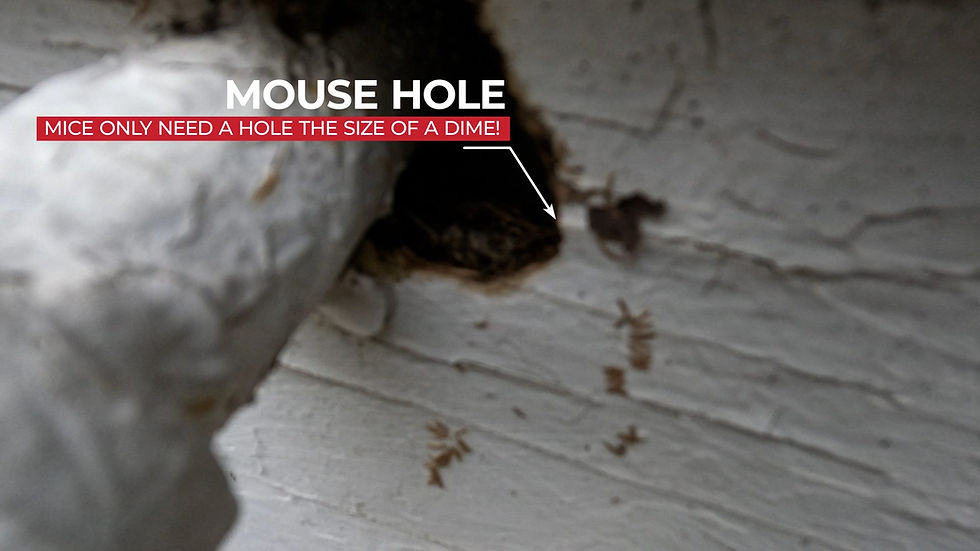
Many rodent entry points are difficult to spot without a trained eye, including:
Gaps behind siding
Roofline and soffit openings
Dryer vents
Foundation settlement cracks
Utility pipe openings
Damaged crawl space vents
Mice only need an opening about the size of a quarter to enter a home.
The Risks of Ongoing Rodent Activity

Ongoing rodent infestations can lead to serious problems, including:
Fire hazards from chewed wiring
Structural damage
Contaminated insulation
Increased allergens
Bacterial exposure and disease risks
Over time, even small infestations can become costly repairs.
Why Traps Alone Aren’t Enough
Traps may remove individual rodents, but they don’t solve the underlying problem if entry points remain open.

Effective rodent control requires:
Full property inspection
Entry point sealing (exclusion)
Population removal
Habitat modification
Ongoing monitoring
Learn more about our prevention process here:https://www.bugshockers.com/wichita-residential-pest-control/wichita-rodent-pest-control
How Bug Shockers Handles Rodent Control
Our rodent services focus on long-term prevention, not just removal.
We provide:
Detailed property inspections
Professional exclusion work
Safe removal methods
Follow-up monitoring
Customized prevention plans
This approach helps keep rodents from coming back.
When to Schedule Professional Help
Consider professional service if you notice:
Repeated activity
Scratching noises
New droppings
Chewed materials
Unusual odors
Early treatment saves time and money.

Helpful External Resource
For additional prevention tips, visit this EPA guide:https://www.epa.gov/rodenticides/identify-and-prevent-rodent-infestations
Frequently Asked Questions
How fast do rodents reproduce? Mice can produce up to 60 offspring per year under ideal conditions.
Are professional rodent treatments safe? Yes. All treatments follow EPA guidelines and are applied safely.
How long does professional rodent control last? With proper exclusion and monitoring, protection can last several months to a year or longer.
Can rodents return after treatment? If entry points and attractants are not addressed, rodents may return.
Have Questions or Need Service?
Call or text:(316) 775-7867 | (913) 222-2847 | (620) 221-2847
Request service online:https://portal.gorilladesk.com/bugshockers/contact
Traps Are the Symptom. Entry Points Are the Problem.
Here is the pattern almost everyone runs.
Set traps. Catch several mice. Things go quiet for a couple of weeks. Then it starts again, and it feels like the mice came back from the dead.
They did not come back. New ones came in through the same gap the first group used.
Trapping removes the mice that are already inside. It does absolutely nothing about the opening. So the cycle repeats every few weeks, all winter, and it feels like the problem is unbeatable.
It is beatable. The order is just backwards. Seal first, then trap what is left inside.
The Four Reasons They Keep Coming Back
The entry point was never closed. This is the answer nine times out of ten. See the pencil rule: a quarter inch gap is a door.
The seal was done with the wrong material. Expanding foam and caulk alone get chewed through, sometimes within days. Copper mesh or stainless steel wool packed in first, then sealed over, is what holds.
Only the obvious gap was closed. There is rarely just one. Garage door corners, utility penetrations, dryer vent, sill plate, soffit. Closing one and missing four does not change much.
The attractant is still there. Pet food in a paper bag in the garage, bird seed in the shed, a trash can with no lid, clutter against the foundation outside. Warmth brings them close. Food keeps them.
Trapping Mistakes That Waste Weeks
Too few traps. Most people set two or three. In an active situation you want a dozen or more, placed close together. Mice travel a very small territory.
Traps in the middle of the room. Mice run along walls with their whiskers on the surface. A trap two feet out on open floor is a trap in the wrong place.
Traps set the wrong way. The trigger end should face the wall, not out into the room.
Too much bait. A pea sized dab works better than a glob. Peanut butter, chocolate, or a bit of nesting material like cotton.
Giving up after night one. New objects make mice cautious. It often takes two or three nights before they will approach a trap.
Glue boards. They catch some, they are inhumane, and a stuck mouse that pulls free takes the board somewhere you will never find it.
The Right Order of Operations
Inspect the whole exterior with a flashlight, low and slow.
Seal every gap with the right material, starting with the garage door corners and utility penetrations.
Remove the food. Pet food into sealed containers, trash lids on, bird seed inside a bin.
Then trap what is still inside, heavily and along walls.
Clean up droppings and nesting material once activity stops, so new signs are easy to spot.
Do it in that order and the problem ends. Do it backwards and you trap mice until spring.
When It Is Worth Handing Off
Activity inside walls, an attic, or a crawl space you cannot fully see.
You have sealed what you can reach and it is still happening, which usually means the opening is somewhere you cannot get to.
A dead rodent smell in a wall.
Droppings in a kitchen or a child's room.
You are not comfortable on a ladder at the roofline or in a crawl space, which is fair.
And when it is not. A single mouse in the garage in November, with a garage door seal you can replace yourself, is an afternoon at the hardware store. We will tell you that.
Frequently Asked Questions
Why do mice keep coming back after I catch them?
Because trapping removes the mice inside but does nothing about the opening they used. New mice come through the same gap. Sealing entry points is what ends the cycle.
Do I seal entry points before or after trapping?
Seal first, then trap what remains inside. Trapping first means you are removing mice while the door stays open.
How many mouse traps should I set?
Far more than most people use. A dozen or more in an active situation, placed close together along walls, not spread thin across rooms.
Where should mouse traps be placed?
Flush against a wall with the trigger end facing the wall. Mice travel with their whiskers along surfaces and rarely cross open floor.
What is the best bait for a mouse trap?
A pea sized dab of peanut butter or chocolate, or a bit of cotton for nesting. Too much bait lets a mouse feed without triggering the trap.
Why did my mouse traps stop catching anything?
Either the population inside is gone and new ones are entering elsewhere, or the mice have learned to avoid the traps. Moving traps a few feet and changing bait usually restarts it.
Do glue traps work for mice?
They catch some, but they are inhumane and a mouse that pulls free can carry the board into a wall void. Snap traps used properly work better.
Will mice leave if I remove the food?
Not on their own. Removing food slows population growth and makes bait more attractive, but a heated structure is still better than outside. The entry point still has to be closed.
Tired of the cycle? Our Wichita rodent control page explains how we handle entry points, not just traps.


Comments