Call or text
(316) 775-7867
(620) 221-2847
(913) 222-2847
.png)
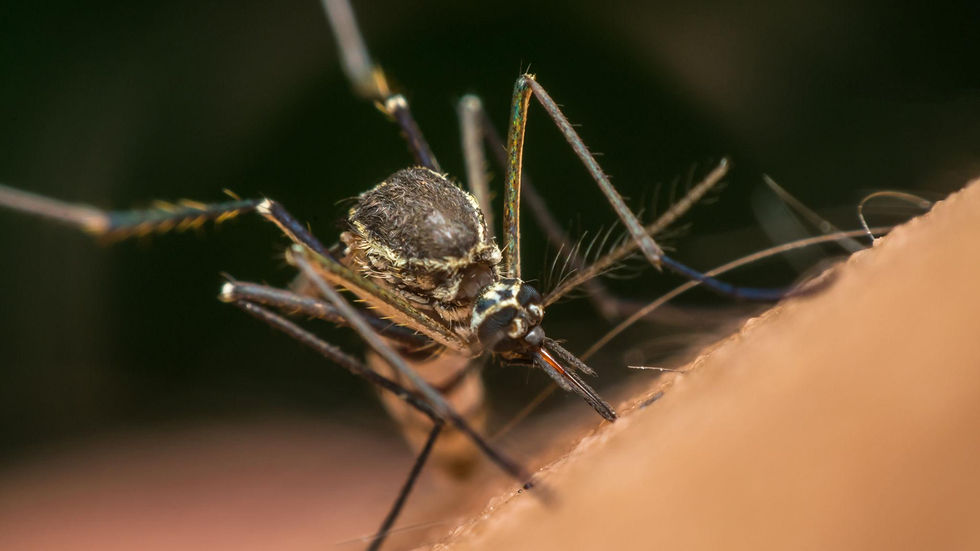
Mosquitoes are one of the most common pests homeowners experience during the warmer months in Kansas. While their bites are irritating, mosquitoes can also make outdoor spaces uncomfortable and limit the ability to enjoy patios, decks, and backyard gatherings.
In areas like Wichita, Augusta, Andover, and the Kansas City metro, mosquito populations increase quickly during warm, humid weather—especially after rainfall.
Understanding where mosquitoes come from and how they breed is the first step in reducing their presence around your home.
What Do Mosquitoes Look Like?

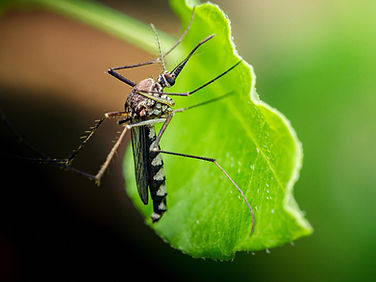
Mosquitoes are small flying insects belonging to the fly family. While they are often noticed by their buzzing sound or bites, their physical features are distinct.
Common mosquito characteristics include:
• Slender body
• Long legs
• Narrow wings
• Long needle-like mouthpart used for biting
• Usually gray or brown in color
Only female mosquitoes bite, because they require blood to produce eggs.

Where Mosquitoes Come From
Mosquitoes develop in standing water. Female mosquitoes lay their eggs on water surfaces or in areas where water collects.
Common mosquito breeding sites around homes include:
• Clogged gutters
• Bird baths
• Flower pot trays
• Buckets or containers collecting rainwater
• Children's toys left outside
• Old tires
• Low spots in yards where water pools
• Poor drainage areas
Mosquito eggs can hatch quickly—sometimes in 24–48 hours during warm weather—which allows populations to grow rapidly.

When Mosquitoes Are Most Active
Mosquitoes are most active during late spring, summer, and early fall in Kansas.
Peak mosquito activity typically occurs:
• After rainfall
• During warm, humid weather
• Around dawn and dusk
• In shaded areas with vegetation
Because mosquitoes prefer shaded environments, they often rest in shrubs, landscaping, and tall grass during the day.
Why Mosquitoes Are a Problem

Mosquito bites can cause itching, irritation, and allergic reactions in some people.
They can also interfere with outdoor activities such as:
• Backyard barbecues
• Evening patio relaxation
• Outdoor playtime for children
• Gardening and yard work
In addition to being a nuisance, mosquitoes are known carriers of diseases such as West Nile Virus, which has been detected in Kansas.
Reducing mosquito populations around homes helps make outdoor spaces more comfortable and safer.
How to Reduce Mosquitoes Around Your Yard
Homeowners can take several steps to reduce mosquito breeding areas.
Helpful prevention steps include:
• Dump standing water from containers weekly
• Clean gutters regularly
• Maintain landscaping and trim shrubs
• Improve drainage in low areas of the yard
• Keep pools and water features properly maintained
While these steps help reduce mosquito activity, they often do not eliminate mosquitoes completely because mosquitoes can travel from nearby properties.

Professional Mosquito Control
Professional mosquito treatments help reduce mosquito populations by targeting the areas where mosquitoes live and rest around your property.
Mosquito control services typically focus on:
• Dense vegetation and shrubs
• Shaded areas of the yard
• Fence lines
• Under decks and patios
• Areas where mosquitoes breed
These treatments create a protective barrier that helps reduce mosquito populations and makes outdoor spaces more enjoyable.
Learn more in our detailed guide:
Kansas Homeowner’s Guide to Mosquito Control
Mosquito Control in Wichita and Overland Park
Bug Shockers Pest Control helps homeowners throughout:
Get in Touch with Us
Questions or ready to schedule? Our family-owned team is standing by to help you get back to living worry-free. From Sedgwick County to Johnson County, we provide the expert care you deserve with no contracts required.
5.0 stars · 350+ reviews
3x Best of Wichita Gold Winner
No Contracts required
Family-owned & operated since 2011
Prefer to call or text?
Wichita area: (316) 775-7867 or Overland Park and the KC Metro: (913) 222-2847