.png)
3 Mid-Summer Pest Threats in Wichita and Derby (and How to Handle Them)
If you already knocked out the early-summer wave of ants and mosquitoes, you might think your yard is in the clear. Not quite yet.
As we move into mid-July here in south-central Kansas, pest behavior starts to shift. Colonies have had all spring and early summer to grow. By now they are at their biggest. Add in backyard cookouts and summer travel, and pests find brand new ways to make themselves at home.
We treat homes all over Wichita, Derby, Andover, and Rose Hill, and this is the time of year the calls change. If you want to protect your home from the most common summer pests Wichita families deal with, here are the three mid-summer threats worth getting ahead of right now.

1. Stinging Insects: The Most Aggressive Summer Pests Wichita Faces
In spring, a wasp or yellow jacket queen starts her nest alone. By mid-July, that one queen can have a colony numbering in the thousands.

Two things happen when a colony gets that big. First, they get territorial and quick to sting. Second, their diet shifts. Early in the year they hunt other insects for protein. By mid-summer they want sugar. That makes your lemonade, cut fruit, and BBQ sauce a target.
Here is how to keep your yard comfortable:
Keep food and drinks covered. Never leave sugary drinks or food sitting out. Use cups with lids and clear empty plates right away.
Manage your trash. Make sure outdoor cans have tight lids. Rinse soda cans and juice bottles before recycling them.
Look before you trim. Before you mow or trim hedges, check for paper wasp nests on branches or yellowjacket holes in the ground.
Leave big nests to a pro. Store-bought sprays can agitate a large nest and put you at risk of multiple stings. If a nest is near a door, patio, or walkway, professional removal is the safer choice.
2. The Kitchen Cloud: Fruit Flies

Mid-summer is farmers market season, and fresh produce is one of the best parts of a Kansas summer. The catch is that fresh tomatoes, peaches, and melons often carry fruit fly eggs home with them.
A single female fruit fly can lay up to 500 eggs, and they can hatch in as little as 24 hours. One forgotten banana can turn your kitchen into a swarm before you know it.
Here is how to clear the air:
Wash produce right away. Rinse fruits and vegetables as soon as you get home to remove hidden eggs. Store ripe produce in the fridge instead of on the counter.
Check your drains. Fruit flies also breed in the gunk inside sink drains and garbage disposals. Boiling water or an enzyme-based drain cleaner can wipe out that breeding ground.
Set a simple trap. Fill a small bowl with apple cider vinegar and a few drops of dish soap. Cover it with plastic wrap and poke a few small holes. The flies go for the vinegar, and the soap keeps them from getting back out.
3. The Unwanted Souvenir: Bed Bugs and Summer Travel
July and August are the busiest travel months of the year. That also makes them the busiest months for bed bugs. Bed bugs are expert hitchhikers. They move from hotel beds into luggage, and then into your home.
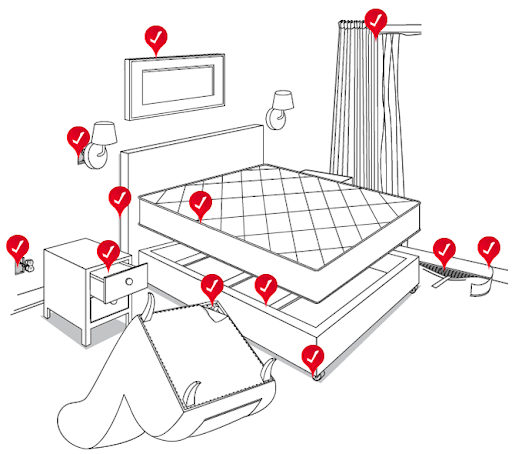
Here is how to travel smart this summer:
Inspect when you check in. Pull back the sheets and look along the mattress and box spring seams for tiny rust-colored spots or live bugs.
Keep luggage off the bed and floor. Use the luggage rack, or set your bags in the bathroom. Bed bugs rarely hang out on tile.
Follow a post-trip routine. When you get home, empty your suitcase straight into the washing machine. Wash and dry everything on the highest heat your fabrics can handle.
For a full breakdown on spotting and stopping bed bugs, the EPA has a helpful guide: Protecting Your Home from Bed Bugs.
Frequently Asked Questions
When are wasps and yellow jackets worst in Kansas?
Stinging insect activity peaks in mid to late summer. By July and August, colonies are at their largest and most aggressive, which is when most homeowners notice nests near doors, patios, and eaves.
Are fruit flies harmful?
Fruit flies are mostly a nuisance, but they multiply fast and can spread bacteria across kitchen surfaces. The good news is that removing their food and breeding sources usually clears them out.
How do I know if I brought bed bugs home from a trip?
Look for small rust-colored spots on your sheets, tiny bites in a line or cluster, or live bugs in mattress seams. If you are seeing signs after travel, a professional inspection is the fastest way to know for sure.
Do you require a contract?
No. Bug Shockers does not use contracts. You can adjust or stop service any time.
Local, Family Owned, and Here to Help
Pest control is not a one-and-done spring chore. It changes with the seasons, and mid-summer is one of the busiest stretches of the year in south-central Kansas.
Bug Shockers is a family owned pest control company based right here in the Wichita and Derby area. We treat homes in Wichita, Derby, Andover, Rose Hill, Augusta, and El Dorado. No contracts, no pressure, and no scare tactics. Just honest service from neighbors who know the local bugs.
If wasps have taken over your patio or you think you brought something home from vacation, you do not have to fight it alone. Reach out and we will get you taken care of.
Bug Shockers Pest Control. The Shockingly Smart Choice.


Comments