.png)
Rodent Control: Why Mice Keep Coming Back (And How to Stop It for Good)
- Matthew Johnston
- 14 minutes ago
- 2 min read

Rodents are one of the most common pest problems for Kansas homeowners. Many families are surprised when mice or rats return—even after traps are set or repellents are used.

If rodents keep coming back, it usually means the root cause hasn’t been fully addressed. Understanding why this happens is the key to protecting your home long-term.
This article is a follow-up to our previous post on rodent prevention and explores why infestations return—and how to stop them for good.
Why Rodents Return After Treatment

Rodents are motivated by three basic needs: food, shelter, and warmth. If your home continues to provide these, mice and rats will keep trying to get inside.
Common reasons rodents return include:
Unsealed entry points
Accessible food sources
Nesting areas in attics or walls
Neighboring infestations
Seasonal weather changes
Without proper exclusion and prevention, rodents simply find new ways inside.
If you’re dealing with repeat activity, professional solutions like our Wichita rodent control services can help address the root causes, not just the symptoms:https://www.bugshockers.com/wichita-residential-pest-control/wichita-rodent-pest-control
Hidden Entry Points Most Homeowners Miss
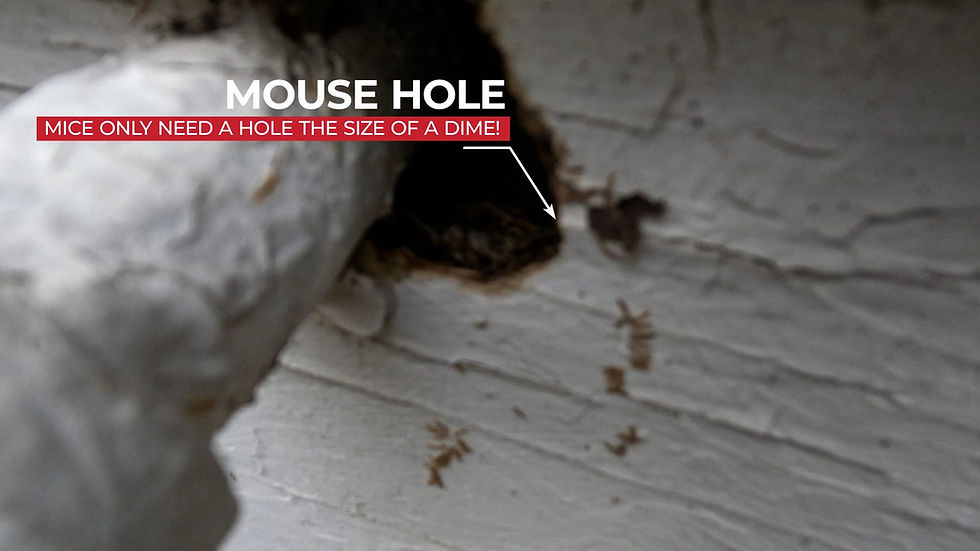
Many rodent entry points are difficult to spot without a trained eye, including:
Gaps behind siding
Roofline and soffit openings
Dryer vents
Foundation settlement cracks
Utility pipe openings
Damaged crawl space vents
Mice only need an opening about the size of a quarter to enter a home.
The Risks of Ongoing Rodent Activity

Ongoing rodent infestations can lead to serious problems, including:
Fire hazards from chewed wiring
Structural damage
Contaminated insulation
Increased allergens
Bacterial exposure and disease risks
Over time, even small infestations can become costly repairs.
Why Traps Alone Aren’t Enough
Traps may remove individual rodents, but they don’t solve the underlying problem if entry points remain open.

Effective rodent control requires:
Full property inspection
Entry point sealing (exclusion)
Population removal
Habitat modification
Ongoing monitoring
Learn more about our prevention process here:https://www.bugshockers.com/wichita-residential-pest-control/wichita-rodent-pest-control
How Bug Shockers Handles Rodent Control
Our rodent services focus on long-term prevention—not just removal.
We provide:
Detailed property inspections
Professional exclusion work
Safe removal methods
Follow-up monitoring
Customized prevention plans
This approach helps keep rodents from coming back.
When to Schedule Professional Help
Consider professional service if you notice:
Repeated activity
Scratching noises
New droppings
Chewed materials
Unusual odors
Early treatment saves time and money.

Helpful External Resource
For additional prevention tips, visit this EPA guide:https://www.epa.gov/rodenticides/identify-and-prevent-rodent-infestations
Frequently Asked Questions
How fast do rodents reproduce? Mice can produce up to 60 offspring per year under ideal conditions.
Are professional rodent treatments safe? Yes. All treatments follow EPA guidelines and are applied safely.
How long does professional rodent control last? With proper exclusion and monitoring, protection can last several months to a year or longer.
Can rodents return after treatment? If entry points and attractants are not addressed, rodents may return.
Have Questions or Need Service?
Call or text:(316) 775-7867 | (913) 222-2847 | (620) 221-2847
Request service online:https://portal.gorilladesk.com/bugshockers/contact


Comments